

SKĐS - A groundbreaking study from Harvard University shows that vitamin D supplementation may help protect DNA and maintain human biological longevity.
1. Benefits of vitamin D
Vitamin D is one of the essential micronutrients, not only supporting bones and joints but also related to many aspects of health.
Below are the main benefits of vitamin D:
- Supports strong bones and teeth: Helps the body absorb calcium and phosphorus, maintains bone density; prevents osteoporosis, rickets, and fractures in the elderly.
- Enhances the immune system: Helps the body fight against bacteria and viruses. Some studies show that people with vitamin D deficiency are more susceptible to respiratory infections.
- Reduces the risk of chronic diseases: Vitamin D is linked to a reduced risk of cardiovascular disease, type 2 diabetes, and some autoimmune diseases (such as multiple sclerosis, rheumatoid arthritis). Some studies also suggest a role in cancer prevention, especially colorectal and breast cancer.
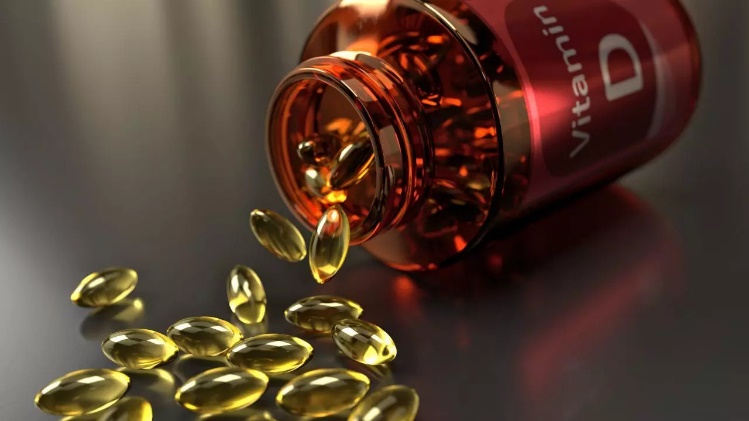
Vitamin D is not only important for bones but also for overall health. New research has also discovered the anti-aging potential of vitamin D...
- Protects mental health: Vitamin D deficiency is linked to depression, anxiety, and mood disorders. Adequate supplementation helps improve mood and supports brain health.
- Maintains muscle strength: Improves muscle function, reduces the risk of falls in the elderly.
2. Potential of vitamin D to slow down the aging process
A new study called VITAL by scientists at Harvard University (USA) shows that vitamin D can protect telomeres and reduce DNA damage, contributing to the maintenance of biological longevity.
The trial followed more than 1,000 adults over four years and the results were just published in the American Journal of Clinical Nutrition, opening up new prospects in supporting health and slowing down the aging process.
The study found that supplementing with 2,000 IU of vitamin D3 daily—about three times the recommended level but still within the safe limit of under 4,000 IU—can help reduce DNA damage. Scientists measured telomeres, the "protective caps" at the ends of chromosomes, which shorten with age and are directly linked to longevity, and found that those taking vitamin D3 maintained better telomeres compared to the placebo group.
Dr. JoAnn Manson, Chief of the Division of Preventive Medicine at Brigham and Women's Hospital, stated that VITAL is the first large-scale, long-term randomized trial to demonstrate that vitamin D supplementation helps protect telomeres and maintain telomere length. This is particularly notable because VITAL also indicated that vitamin D may reduce inflammation and lower the risk of some age-related chronic diseases, such as late-stage cancer and autoimmune diseases.
According to the study results, participants taking vitamin D maintained better telomere length compared to the placebo group, equivalent to preventing nearly three years of aging. Dr. Haidong Zhu, the first author of the study and a molecular geneticist at the Medical College of Georgia, said: "Our findings suggest that targeted vitamin D supplementation may be a promising strategy to combat biological aging, although more research is needed."
Although the VITAL study shows many benefits, experts still recommend not abusing vitamin D. Most adults should take 600 - 800 IU per day, while supplements often contain doses of 1,000 - 2,000 IU. Taking more than 4,000 IU per day can be harmful, leading to hypercalcemia, causing calcium to accumulate in the blood, leading to nausea, vomiting, constipation, kidney stones, and even organ damage.
Harvard researchers emphasized that although vitamin D shows anti-aging potential, the VITAL trial still has limitations: The study duration was relatively short and lacked population diversity, as most participants were white. They suggest that more comprehensive and long-term studies are needed before vitamin D supplementation can be recommended as an anti-aging strategy. This study was funded in part by the National Heart, Lung, and Blood Institute (NHLBI), a division of the U.S. National Institutes of Health (NIH).
3. How to use vitamin D safely
Vitamin D can be supplemented from sunlight, food, and dietary supplements.
Below are the main sources:
- Sunlight: Is the most important natural source. When the skin is exposed to UVB rays, the body will synthesize vitamin D. Just 10 - 30 minutes of sun exposure a few times per week (depending on skin color, weather, and geographical location) is enough for the body to produce the necessary amount of vitamin D. However, it is necessary to protect the skin to avoid the risk of skin cancer.
- Foods rich in vitamin D
- Fatty fish: Salmon, mackerel, sardines, herring.
- Fish liver oil (especially cod liver oil).
- Chicken eggs (yolk).
- Animal liver.
- Beef, cheese (contains small amounts).
- Mushrooms (especially sun-dried mushrooms, containing vitamin D2).
- Fortified foods: Milk, cereals, orange juice, yogurt are often supplemented with vitamin D.
- Dietary supplements
Vitamin D has two forms:
-
- D2 (ergocalciferol) – usually from plants and fungi.
- D3 (cholecalciferol) – from animals, proven to be more effective in raising blood vitamin D levels.
Typical dose: 600–800 IU/day for adults. Some cases may require higher supplementation as prescribed by a doctor.
Source: https://suckhoedoisong.vn/vitamin-d-thuc-pham-bo-sung-pho-bien-co-the-chong-lao-hoa-169250827115121858.htm