The paper published this month adds to a growing body of research on vitamin D supplementation and heart disease.
Researchers found that adults who survived a heart attack and took specific doses of vitamin D reduced their risk of a recurrent heart attack by more than half compared to those who did not take vitamin D doses.
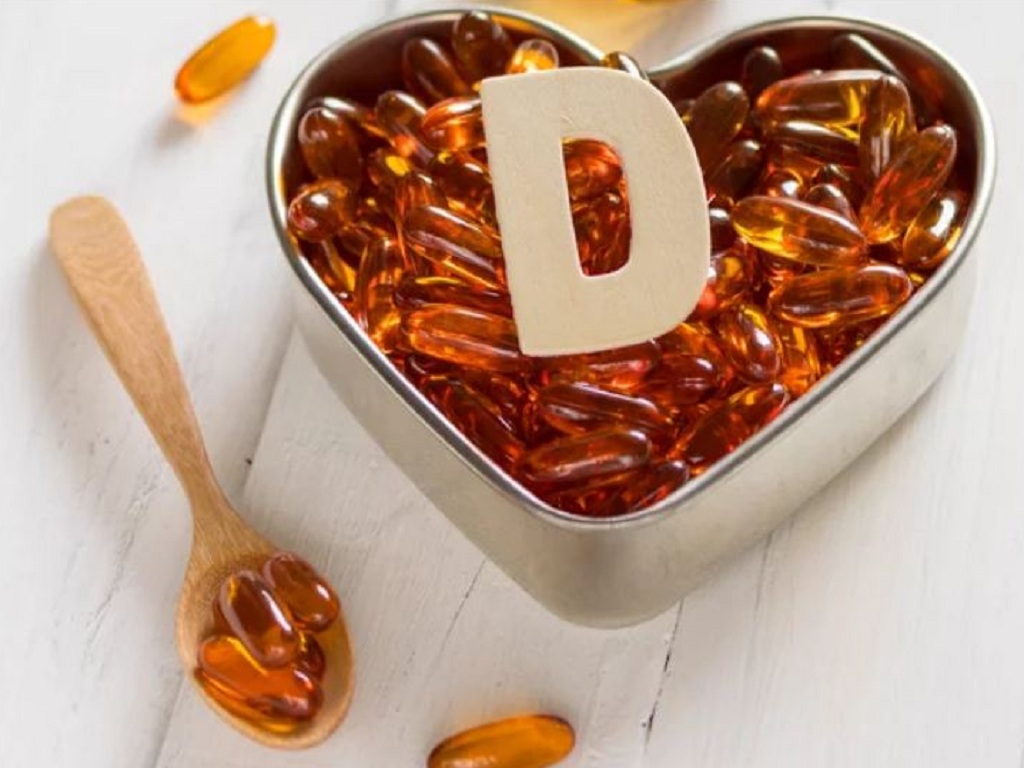
The study, conducted by Utah-based Intermountain Health, found that the risk of having another heart attack was 52% lower in people who had survived a heart attack and were "prescribed tailored vitamin D doses" to reach a vitamin D level of 40 nanograms per milliliter over about four years, according to an American Heart Association (AHA) press release.
The AHA said this figure was compared to those whose vitamin D levels were not monitored.
More than 85% of study participants had vitamin D levels below that threshold, while nearly 52% in the study group had to take more than 5,000 international units (IU) of vitamin D per day to reach the target blood level, according to the Nov. 9 press release. The 5,000 IU dose is about six times higher than the 800 IU dose recommended daily by the Food and Drug Administration (FDA).
Heidi T. May of Intermountain Health said in an AHA statement: "Previous clinical trial research on vitamin D tested the potential impact of the same dose of vitamin D on all participants without checking their blood levels first."
Researchers also checked the vitamin D levels of study participants when they began the study, monitoring and adjusting doses as needed to reach levels between 40 and 80 nanograms per milliliter, the statement said.
The authors of the paper suggest that their findings could allow healthcare providers to focus more on blood testing for people who have had a heart attack and providing them with appropriate doses.
Although the AHA did not state which type of vitamin D was used in this study, a separate press release issued by Intermountain Health said researchers used vitamin D3, the most common form used in supplements.
In the statement, May said researchers “did not observe any adverse outcomes when giving higher doses to vitamin D3 patients and it significantly reduced the risk of another heart attack, which are encouraging results.”
The study was presented at the American Heart Association's Scientific Sessions 2025 in New Orleans earlier this month. The study enrolled 630 adults with acute coronary syndrome treated at Intermountain Medical Center in Salt Lake City from April 2017 to May 2023 and had a median follow-up of 4.2 years.
The AHA said about 107 major cardiovascular events, such as heart attack, stroke, heart failure requiring hospitalization, or death, occurred during the study period.
The paper published this month adds to a growing body of research on vitamin D supplementation and heart disease. Last year, a study found that vitamin D supplementation did not reduce the risk of cardiac arrest in the elderly, while another study published in the British Medical Journal showed a link between vitamin D supplementation and major cardiovascular events in people over 60.
In addition to supplements, foods considered rich in vitamin D include egg yolks, fatty fish, cod liver oil, and cheese, while some foods like cereals, orange juice, milk, and others are also fortified with this vitamin. Vitamin D is also activated in the body when the skin is exposed to sunlight.
May added that her organization is encouraging people with heart disease to talk to their healthcare providers about appropriate vitamin D doses.
Ref: original source material:
SKĐS - A groundbreaking study from Harvard University shows that vitamin D supplementation can help protect DNA and maintain human biological longevity.
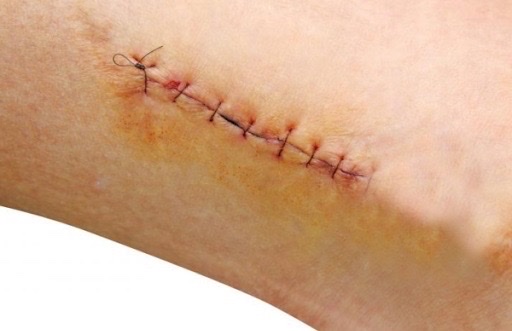
A good wound care process will help the wound heal quickly and limit the formation of unsightly scars. So, what are the ways to care for stitches to help them heal quickly? What are the notes you should not ignore to help the wound recover as quickly and effectively as possible? Please refer to the article below!