
How to supplement vitamin D effectively?
Combining with healthy fats, taking it in the morning, and waiting 1-2 hours after taking it before consuming caffeine or high-fiber meals... are ways to help make vitamin D supplementation more effective.
Vitamin D, also known as the sunshine vitamin, is very important for bone health, immunity, mood, and hormonal balance. When it is not possible to get enough sunlight, many people choose supplements to get the necessary amount of vitamin D.
However, even when supplementing strictly every morning, many people still end up with vitamin D deficiency. Below are 7 tips to keep in mind to make vitamin D supplementation more effective.

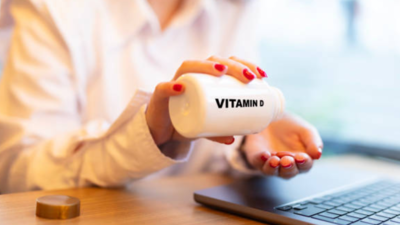
Photo: Adobe Stock
Do not skip healthy fats when taking the supplement
Taking vitamin D on an empty stomach or with low-fat meals can significantly reduce absorption. In fact, a study found that people who took vitamin D with a high-fat meal absorbed 32% more than those who took it without fat.
Therefore, combine the supplement with healthy fats such as avocado, nuts, or a spoonful of peanut butter.
Timing of intake
Taking vitamin D in the morning supports the metabolism of vitamin D better. This is because morning sunlight helps activate enzymes in the liver and kidneys to convert the supplement into its active form. Combining the supplement with sunlight for even just 10 minutes can act as a catalyst, helping the supplement have a natural boosting effect.
Therefore, try to sit near a sunny window or take a short walk right after taking the supplement.
Supplement with magnesium
Magnesium is needed to activate vitamin D in the body. A study indicates that people who are deficient in magnesium do not fully benefit from vitamin D, even if their dosage is perfect. Without magnesium, vitamin D will not work.
A simple fix is to add magnesium-rich foods like bananas, almonds, and spinach to your daily diet or consider using a separate supplement if needed.
Be careful with caffeine and fiber right after taking it
Caffeine can increase calcium excretion, which has a close effect on vitamin D. Similarly, large amounts of fiber (especially bran or psyllium husk) can bind to fat-soluble vitamins and reduce absorption. It is better to take the vitamin D supplement about 1-2 hours apart from coffee or high-fiber meals.
Check levels every few months
Genetics, gut health, and even age affect the amount of vitamin D needed. Some people may not convert the supplement into its active form effectively. In others, intestinal absorption is impaired. Therefore, checking every 4-6 months ensures that the dosage is actually working.
This helps adjust the dosage, rather than assuming one dosage fits everyone.
Pay attention to gut health
A healthy gut lining is essential for absorbing vitamin D. Conditions such as Irritable Bowel Syndrome (IBS), celiac disease, or even chronic bloating can hinder nutrient absorption. Vitamin D is fat-soluble and depends on proper bile flow and enzyme activity from the gut. A sluggish or inflamed gut can silently hinder the effectiveness of this supplement.
Focusing on fermented foods, probiotics, and fiber diversity can improve gut health and thus increase the effectiveness of vitamin D.
High doses are not always better
The body does not always absorb large doses and may even waste the excess. Research shows that small daily doses (1,000 - 2,000 IU) are absorbed more consistently than large weekly or monthly doses, unless prescribed to treat a deficiency. Overdosing can cause calcium buildup and other side effects.
Low and consistent doses are the key for the body to actually use the vitamin properly.
Huong Duong (According to Times of India)